Effective Digital Marketing Strategies for Business Growth


An effective digital marketing strategy empowers businesses to connect with their audience, generate leads, and convert prospects into loyal customers. For B2B companies, it’s the foundation for building relationships, showcasing industry expertise, and positioning their products or services as essential solutions.A digital marketing strategy is a long-term, high-level plan designed to achieve specific business goals. It defines objectives, identifies target audiences, and provides a framework for all marketing activities across digital channels like websites, social media, email, and search engines.
What does a digital marketing strategy look like?
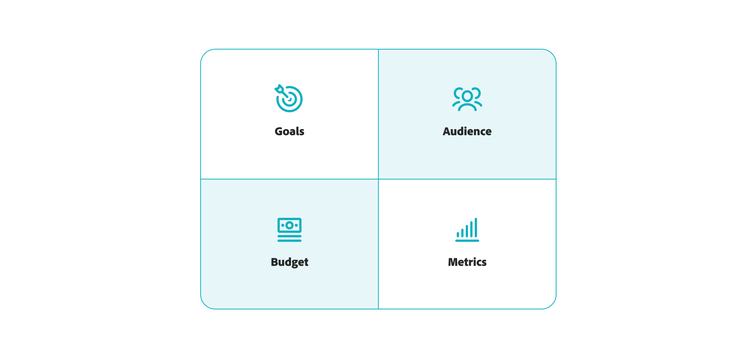
A successful digital marketing strategy is built around 4 key components:
- Goals: Define clear targets that align with broader business objectives.
Example: Coca-Cola’s goal to increase brand engagement by 25% provides a measurable benchmark.
- Audience: Gain insights to tailor messaging effectively.
Example: Coca-Cola focuses on Gen Z globally, using social media campaigns and video storytelling to engage this audience.
- Budget: Allocate resources to high-impact channels.
Example: Coca-Cola dedicates $5M to influencer partnerships and digital ads to maximize reach.
- Metrics: Track performance and refine tactics.
Example: Coca-Cola monitors engagement rates, reach, and brand sentiment to gauge campaign success and inform future decisions.
Together, these components illustrate how companies like Coca-Cola maintain global relevance while adapting to consumer trends.
How to build a digital marketing strategy
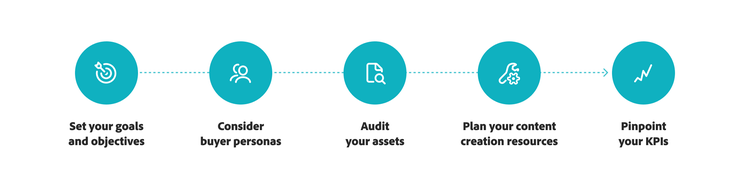
Crafting a digital marketing strategy involves structured steps to align with business objectives and ensure measurable success:
1. Set goals and objectives.
Begin by defining your goals and objectives. These should align with broader business targets and serve as benchmarks for success. Use the SMART framework to ensure goals are specific, measurable, attainable, relevant, and timely.
Example:
- Goal: “Increase awareness of our widgets among our target audience.”
- Strategy: “Use content marketing to create content for two buyer personas at every stage of the sales funnel.”
- Objective: “Achieve a 25% increase in downloads of widget guides each quarter and boost email subscribers by 50% in six months.”
2. Consider buyer personas.
Understanding your audience is critical. Create detailed buyer personas based on data and research to tailor your marketing efforts effectively.
Key persona elements:
- Location: Use analytics to identify where customers are shopping.
- Income/occupation: Gather insights through surveys or forms.
- Interests/goals: Explore their hobbies, aspirations, and pain points via focus groups or existing reports.
3. Audit your assets.
Evaluate your existing digital assets to identify strengths, gaps, and areas for improvement. Document all relevant content and rank its effectiveness.
Key steps:
- Crawl your site: Gather URLs across blogs, category pages, and other assets.
- Identify gaps: Look for content or functionality missing for your target audience or campaigns.
- SEO insights: Analyze performance using keyword data and identify opportunities for optimization.
4. Plan your content creation resources.
Effective campaigns require well-executed content. Plan how you’ll create, deliver, and manage this content:
- Budget: Determine financial resources available for production.
- Resource allocation: Identify whether tasks can be handled in-house or need outsourcing.
- Technology: Ensure you have the necessary tools, like project management software or design platforms.
- Deadlines: Set realistic timelines to keep the campaign on track.
5. Pinpoint your KPIs.
Track measurable outcomes to evaluate the success of your strategy. Identify key performance indicators (KPIs) that align with your objectives.
Examples of KPIs:
- Digital conversion rates
- Cost per lead
- Returning website visitors
- Engaged visit rates
- Click-through rates
- Marketing qualified leads (MQLs), sales qualified leads (SQLs), and bookings
- Customer lifetime value

https://digitalmarketinginstitute.com/blog/what-are-the-most-effective-digital-marketing-strategies
Financial Product Reviews
Read reviews of financial products and services to learn which mortgage lenders, insurance companies, personal loans, brokers, credit cards, and more are right for you.
